






Written by Dr. Lisa Weeth, DVM, DACVIM Nutrition
Choosing the best food for your senior dog is one of the most meaningful things you can do for their golden years.
As dogs age, their bodies change. Metabolism slows, joints stiffen, muscle mass declines, and digestion often weakens. The right diet can support their energy, mobility, and comfort through every stage of aging.
However, choosing that diet is harder than it looks. Unlike puppies or adult dogs, there is no official AAFCO life stage designation for senior dogs – meaning foods marketed for older dogs can vary widely.
In this guide, you'll learn when dogs are considered senior, how aging affects their nutritional needs, what veterinarians look for in a senior diet, and how to make a confident choice around the best food for your senior dog's long-term health.
A dog is generally considered "senior" when they reach the last 25% of their expected lifespan, according to the American Animal Hospital Association (AAHA). However, this threshold varies significantly by breed size.
Larger dogs age faster than smaller dogs – a difference linked to growth rate, according to University of Washington research on canine aging. A giant breed can reach senior status as early as 5–7 years old, while a small breed may not enter their later years until 10–12.
Breed SizeApproximate Senior AgeToy (<20 lbs)11–12 yearsSmall (10–20 lbs)9–11 yearsMedium (21–50 lbs)8–10 yearsLarge (51–90 lbs)7–9 yearsGiant (100+ lbs)5–7 yearsAge alone doesn't tell the full story though. A veterinarian assesses body condition, muscle mass, and mobility alongside age because two dogs of the same age and breed can be in very different places health-wise.
Dogs show aging differently depending on breed, size, and individual health, but several physical and behavioral changes commonly signal that a dog is entering their senior years.
Spotting these changes early allows pet parents to adjust nutrition, activity, and veterinary care at the right time.
Senior dogs need specialized nutrition to manage age-related physiological changes, including reduced metabolism, muscle loss, stiffening joints, and declining organ function.
The right diet provides higher-quality protein to maintain muscle mass and targeted nutrients like omega-3s and antioxidants to support mobility and overall health. Some senior diets may provide fewer calories per serving to prevent weight gain, while others may have more calories to prevent unintended weight loss.
For dogs that are prone to weight gain as they age, less food is not the answer. Reducing total protein and other essential nutrients unnecessarily can accelerate muscle loss rather than preventing it, according to Blanchard et al., Journal of Veterinary Science, 2025. Instead, feeding a lower calorie diet with a higher nutrient density ensures that the senior dog is getting all of the essentials in at the right amounts.
When choosing the best food for your senior dog, look for high-quality digestible protein, controlled calories, omega-3 fatty acids, fiber, antioxidants, and adequate moisture – the nutrients that help them live a happy, healthy life through every stage of aging.
Because no regulated standard exists for "senior" dog food, an AAFCO nutritional adequacy statement is the only label claim that confirms what's actually in the bowl.
Look for the following:
For senior dogs, avoid energy-dense, nutrient-poor ingredients that add calories, sugar, or sodium without providing a significant source of essential nutrients. Choosing the right ingredients for the individual dog is important, but avoiding the wrong ones can matter just as much.
Here are the ingredients most worth knowing before you buy:
Veterinarians recommend senior dog food with high-quality digestible protein, controlled calories, glucosamine, and omega-3 fatty acids. Typically, they assess each dog's individual health status, including weight, mobility, organ function, and noted problems like lean body wasting, arthritis, or obesity before making a recommendation suited to those specific needs.
"Optimizing nutrition for senior pets is not just about meeting minimum requirements; it is about anticipating physiologic shifts and tailoring interventions that truly support healthspan."
– Dr. Laura Gaylord, DVM, DACVIM (Nutrition), Whole Pet Provisions
A senior dog's condition points to different nutritional needs. So when a veterinarian recommends a food, they evaluate the whole dog first, match the diet to what they find, and confirm the food meets trusted standards like those set by AAFCO for nutritional adequacy of the diet and WSAVA guidelines for selecting dog food brands.
Ultimately, no single senior formula addresses every dog. The name and label matter less than a conversation with your vet about what your specific dog needs to thrive.
Proper hydration matters at every stage of your dog's life, but senior dogs can be vulnerable to dehydration.
Aging joints may have reduced mobility, making it harder for a dog to get up and get to the water bowl. Cognitive changes may come along with impaired ability to sense "thirst" leading to less water intake. Older dogs with compromised kidney function may not be able to concentrate their urine to prevent excess water loss.
Adequate daily water intake supports several key systems in the body:
In general, healthy adult dogs should drink approximately 1 ounce of water per pound of body weight each day, which can increase in dogs with chronic conditions such as compromised kidney function or diabetes mellitus. Switching to a moisture-rich diet, either fresh or wet, is one of the easiest ways to help.
Freshpet's refrigerated dog foods typically contain between 65-75% moisture, similar to fresh meats, which contributes meaningfully to daily water intake. Especially when compared to a dry kibble at only 8-10% moisture.
Keeping an eye on your senior dog's water intake can give you an early warning of potential health concerns. If your dog is suddenly drinking much more water than usual, this could indicate a medical condition such as diabetes mellitus or kidney or liver disease and should be evaluated by a veterinarian.
Senior dog food comes in several formats and specialized formulas, each designed to address the changing needs of an aging dog.
Options range from dry, wet, and fresh formats that suit different palatability and hydration needs, to condition-specific formulas like weight management diets, joint support, and sensitive digestion recipes.
Senior dog food is available in several formats with dry, wet, and fresh being the most common. Each format has different moisture levels, digestibility, and practical considerations for aging dogs.
Beyond format, some older dogs need more targeted nutritional support based on their health status, breed size, or specific age-related conditions.
Several specialized formulas are designed to address these needs directly:
For most healthy senior dogs, the best format is one that supports hydration and that they enjoy eating consistently.
Transition your senior dog to a new food gradually over 7 to 14 days, mixing increasing amounts of new food with decreasing amounts of the old. Abrupt food changes can cause digestive upset, which senior dogs with reduced digestive function are especially prone to.
Throughout the transition, monitor stool quality, appetite, and energy levels. Loose stool or increased gassiness are common early signs that the transition is moving too fast. These are usually self-limiting and will resolve without treatment, but slow down if you notice either.
Any new skin irritation, itching, or digestive changes that don't resolve on their own after 2-3 days could indicate a food sensitivity and should be discussed with your veterinarian.
If your dog has any chronic medical conditions such as kidney disease, heart disease, or diabetes mellitus consult your veterinarian before making any diet changes. The diet can directly affect the medical management of these diseases and a change should only be done under the guidance of your veterinarian.
To decide how much food your senior dog should eat, start with the feeding guidelines on the package as a baseline. Research cited by VCA Animal Hospitals showed that maintaining a lean body condition score (BCS) of 4-5/9 can slow age-related changes and extend lifespan in adult dogs.
The goal is to maintain a healthy body condition life long, but if weight loss is needed for overweight or obese dogs, making smaller changes to feeding practices is safer than dramatic food restriction. Reducing food too aggressively to promote weight loss not only limits protein intake but can accelerate muscle loss from too rapid of a weight loss.
Senior dogs benefit from two to three measured meals per day rather than free feeding. This makes it easier to make small adjustments to the food amounts when needed, and detect appetite changes early. Dramatic increases or decreases in appetite can signal an underlying health problem and should prompt a visit to your veterinarian for evaluation.
To ensure your senior dog is being fed the right amount, monitor for:
Portion adjustments should be based on body condition and health trends, not simply appetite. Your veterinarian can assess body condition score and muscle condition score and tailor a feeding plan to your dog's specific needs.
You can tell your senior dog's diet is working if they are maintaining a healthy weight, have good muscle condition, have a full and glossy coat, showing consistent energy levels, and have well formed and regular stool (a great indicator of proper digestion). A diet that is working well for your dog helps them live a stable, strong, and comfortable life well into their golden years.
Signs that your senior dog's diet is supporting their health include:
Routine veterinary visits, including physical examinations, weight and body condition monitoring, and screening diagnostics (blood work and urinalysis), are recommended every 6 months for senior dogs.
Regular health screening can detect age-related medical conditions before your dog starts acting sick or showing more overt signs. In many cases early detection can prevent or slow progression of a disease.
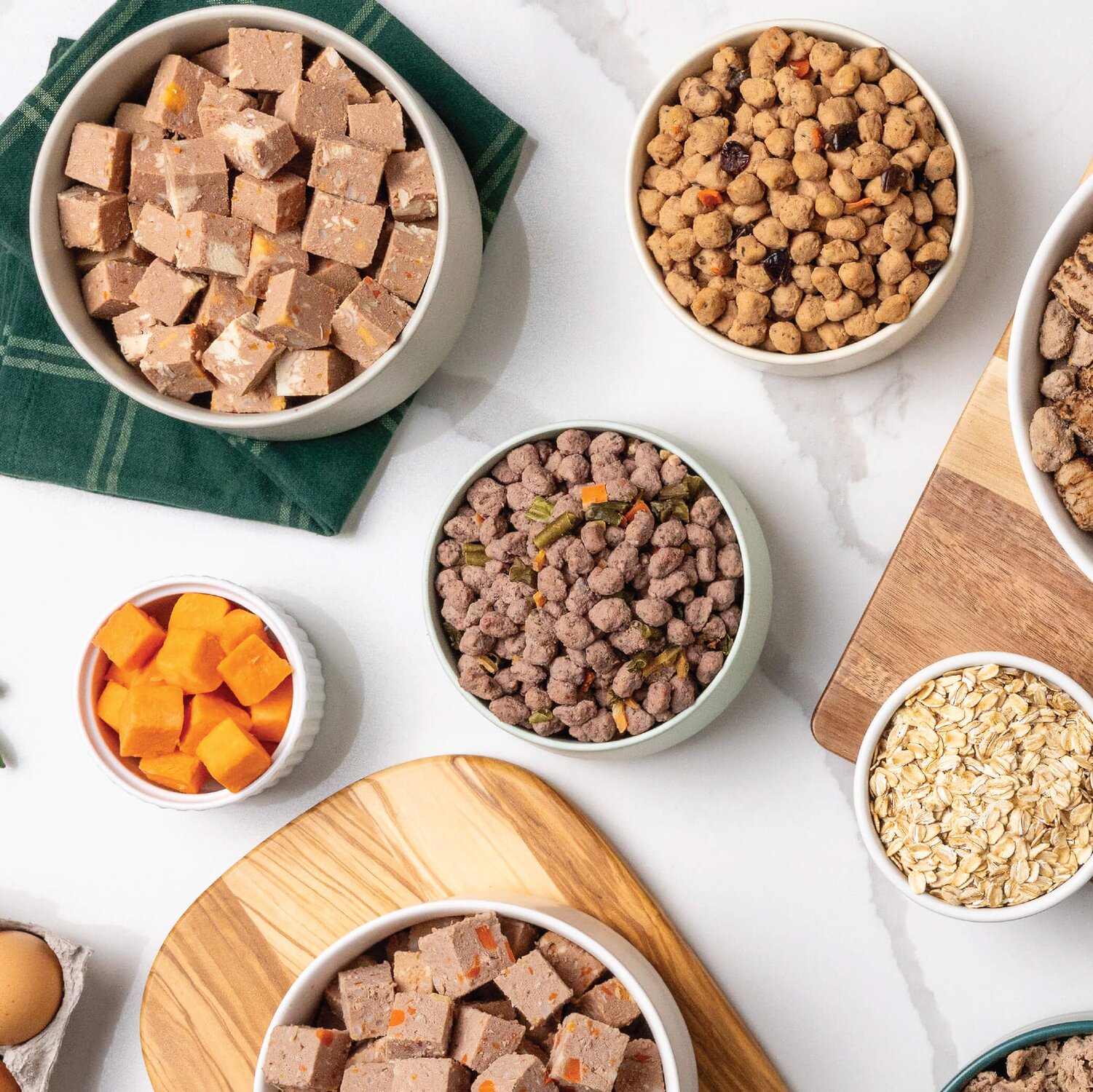
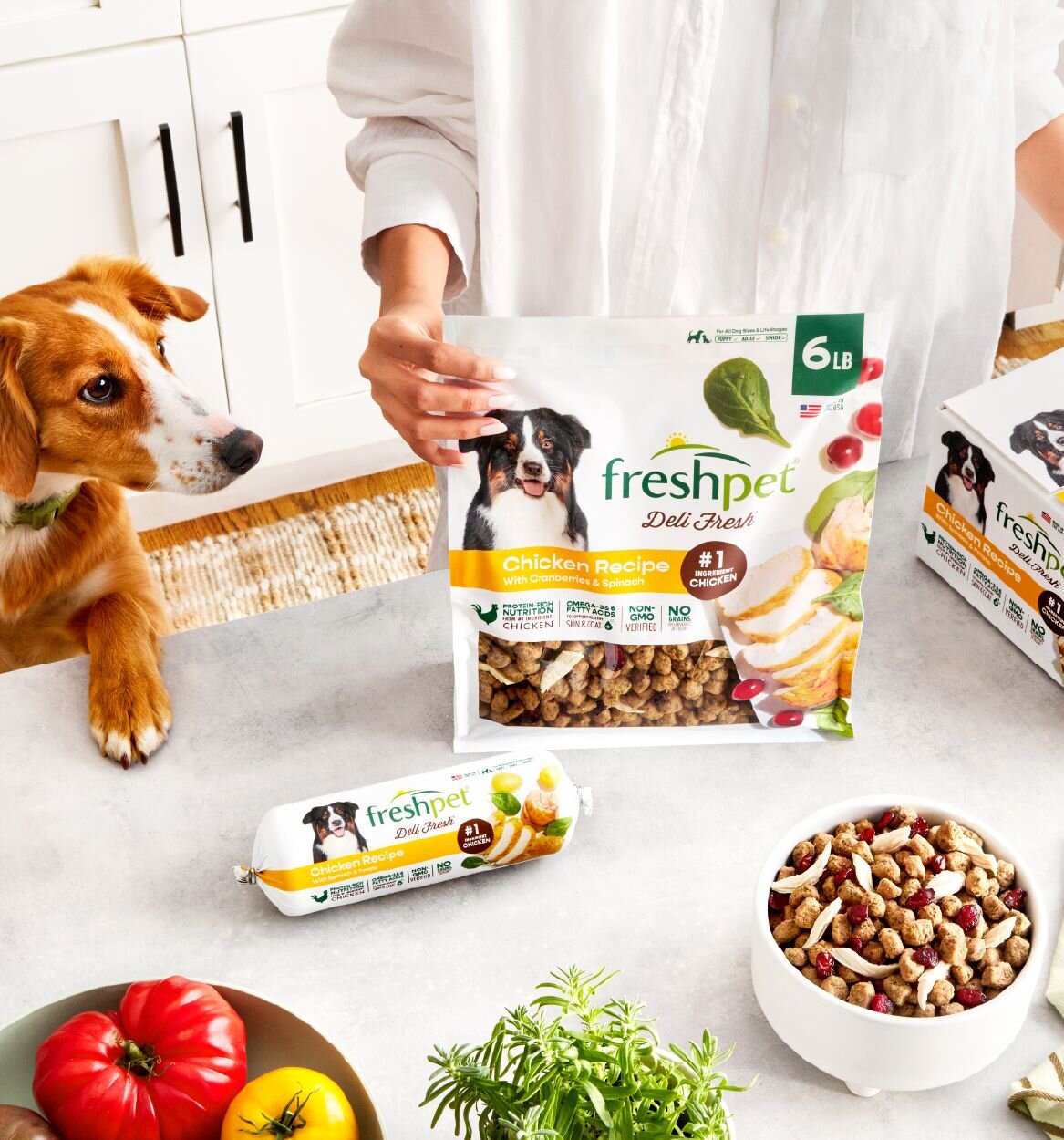
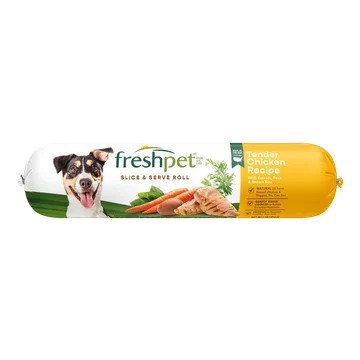
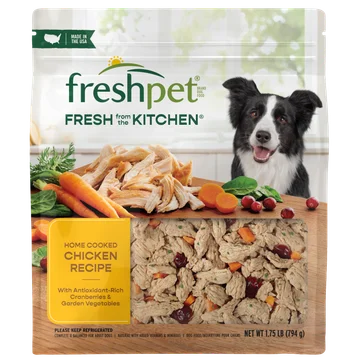
Freshpet supports senior dog nutrition by formulating recipes that address the specific needs of aging dogs – high-quality digestible protein to maintain muscle mass, naturally high moisture content to support hydration, and targeted nutrients like omega-3 fatty acids and antioxidants to support joint health, cognitive function, and immune health.
Because no official AAFCO senior life stage designation exists, Freshpet works with its veterinary nutrition team to ensure recipes go beyond the adult maintenance standard.
By combining veterinary nutrition expertise, ingredient transparency, and validated nutrient formulation, Freshpet delivers complete and balanced nutrition in a fresh format designed around what aging dogs actually need.
Freshpet offers several senior dog recipes designed to support the specific nutritional needs of aging dogs. The best starting point depends on your dog's individual health needs and preferences.
RecipeKey BenefitBest ForFreshpet Vital Healthy AgingMuscle maintenance, joint support, 78% moistureMost senior dogs as a starting point; less active seniors needing hydration and muscle supportFreshpet Healthy SeniorJoint and cognitive support, soft textureSeniors with dental issues, cognitive concerns, or reduced activity levelsFreshpet Vital Joint and Mobility HealthNatural glucosamine, chondroitin, omega-3s for mobilityDogs with arthritis, mobility challenges, or joint stiffness affecting activityFreshpet Sensitive Stomach and SkinPrebiotics, digestible protein, omega-6 and -3 fatty acidsDogs with digestive sensitivity, skin issues, or weight management needsEach recipe is gently steam cooked, made with clearly named ingredients, and formulated with the nutritional needs of aging dogs in mind.
As with any diet change, transition gradually over 7 to 14 days and consult your veterinarian before changing the diet if your dog has any chronic health conditions.
Fresh dog food is safe for otherwise healthy senior dogs when it is complete and balanced and meets AAFCO nutritional adequacy standards. However, dogs with chronic conditions such as kidney disease or heart disease should have their diet selected under veterinary supervision, as these conditions require specific nutrient modifications.
Grain-free food is not automatically better for senior dogs. Whole grains like brown rice, barley, and oats provide valuable fiber, energy, and digestibility that support aging digestive systems. Unless your dog has a confirmed grain allergy or intolerance, diet selection should be guided by nutritional content and veterinary input.
For joint support, look for formulas with natural sources of glucosamine and chondroitin, as well as added omega-3 fatty acids. For weight management, choose lower calorie options. For digestive health, prioritize highly digestible protein and prebiotic fiber.
If your dog has concerns across all three areas, your veterinarian can help identify which to prioritize and whether a specialized formula is appropriate.
Veterinarians recommend senior dog foods that meet AAFCO nutritional adequacy standards, provide high-quality digestible protein, include adequate moisture, and are formulated with qualified veterinary nutrition oversight.
Freshpet aligns with these criteria through its veterinary nutrition team, AAFCO-compliant formulations, and nutritional practices consistent with WSAVA recommendations.


pet wellness
The ultimate guide to choosing the best food for a picky pup.
pet wellness
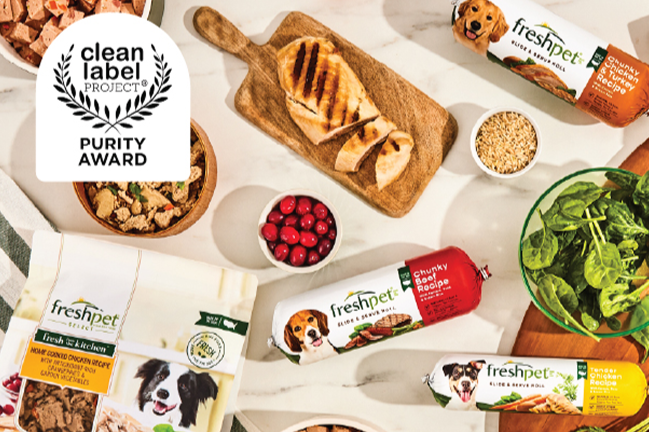
Learn how Freshpet earned Clean Label Certification and the prestigious Purity Award across its full U.S. product line.